Concrete flooring has become a popular choice for homes, businesses, and industrial buildings because it offers strength, durability, and a clean appearance. Unlike many flooring options, polished concrete can last for decades with proper care. It also reflects light, making rooms appear brighter while reducing maintenance needs. Understanding the polished concrete steps helps property owners know what to expect before starting a flooring project. Every stage plays an important role in creating a smooth and attractive finish. This guide explains the complete process in simple language so anyone can understand how polished concrete is created. Whether planning a renovation or learning about flooring options, knowing the process helps you make informed decisions and appreciate the craftsmanship behind a polished surface.
Inspecting and Preparing the Concrete Surface
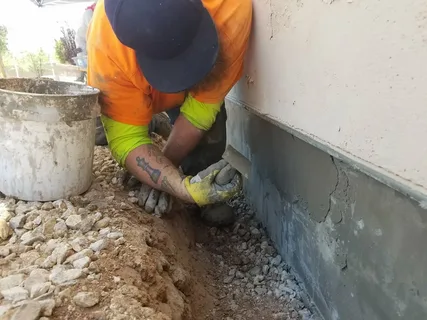
Every successful polishing project begins with a careful inspection. Before any grinding starts, the concrete must be checked for cracks, stains, uneven areas, and moisture problems. These issues can affect the final appearance if they are not corrected early.
Next, the surface is cleaned to remove dirt, grease, paint, adhesives, and loose debris. A clean floor allows polishing equipment to work evenly across the entire surface. If repairs are needed, cracks and small holes are filled before moving forward.
“A polished floor is only as good as the surface prepared underneath it.”
Good concrete polishing contractors St. Johns County, FL creates a strong foundation for the remaining process. Taking time during this stage improves durability, produces a more consistent finish, and helps prevent problems from appearing after the project is complete.
Grinding Removes Imperfections and Creates a Smooth Base
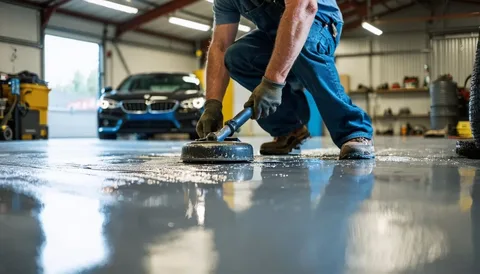
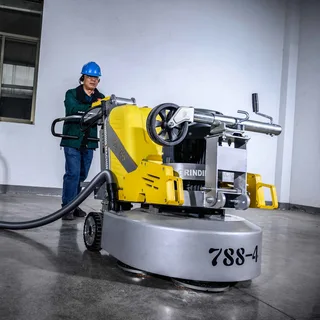
Once preparation is complete, grinding begins using heavy-duty polishing machines fitted with diamond abrasives. These tools gradually remove the top layer of concrete to eliminate surface imperfections and expose fresh concrete underneath.

Many people researching how to do polished concrete are surprised to learn that grinding is one of the longest stages of the process. Patience during this step creates a smoother and more uniform surface. Proper grinding also improves the floor’s ability to accept densifiers and polishing compounds later, helping produce a durable finish that lasts for many years.
Applying a Concrete Densifier Strengthens the Surface
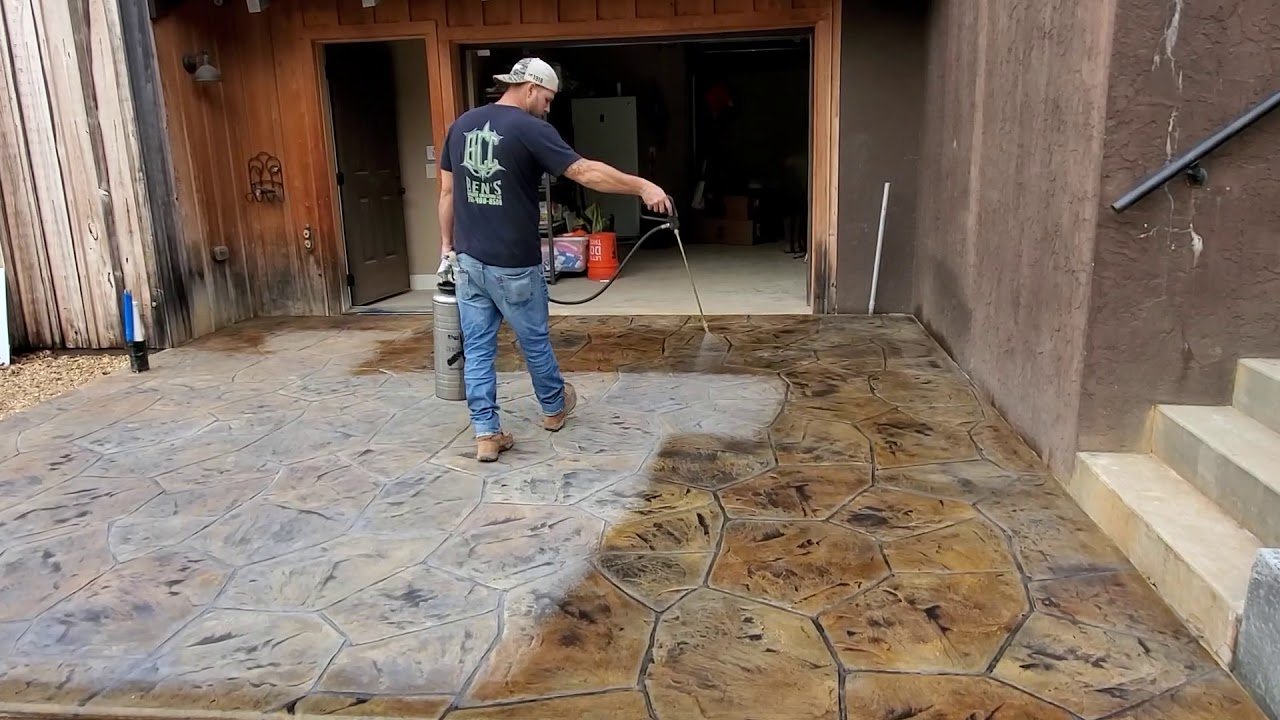
After grinding, a liquid concrete densifier is applied across the floor. This product reacts with the concrete to strengthen its surface and reduce dust formation over time. As the densifier hardens, it fills tiny pores inside the concrete, creating a stronger base for polishing.
This stage improves the durability of polished concrete flooring by making the surface more resistant to wear from daily foot traffic. It also prepares the floor for the finer polishing stages that follow.
Benefits of Applying a Densifier
- Improves surface hardness.
- Reduces concrete dust.
- Increases long-term durability.
- Creates a stronger polishing surface.
- Helps produce a more consistent finish.
Allowing the densifier enough time to cure is essential before moving to the next polishing stage.
Polishing Brings Out the Final Shine
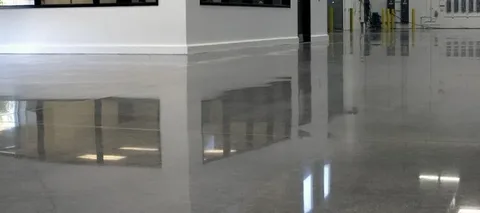
The final polishing stage transforms rough concrete into a smooth, reflective surface. Instead of coarse grinding tools, technicians now use finer diamond abrasives to gradually increase the shine. Several polishing passes are usually completed before reaching the desired finish.
“The shine develops gradually through patience, not in a single polishing pass.”
Different grit levels create different appearances. Some property owners prefer a satin finish, while others choose a high-gloss look. Both options offer excellent durability when properly maintained.
During concrete floor polishing, each polishing pass removes tiny scratches left by the previous grit. This gradual refinement creates the smooth appearance that many people associate with premium polished concrete floors while improving both beauty and long-term performance.
Removing Scratches and Refining the Finish
Once the floor has been polished with medium-grit abrasives, finer polishing pads are used to remove small scratches left behind during earlier stages. Each pass creates a smoother surface and improves the floor’s overall appearance. This gradual process continues until the desired finish is achieved.
The quality of the final result depends on completing every polishing stage without skipping grit levels. Rushing through the process can leave visible marks or reduce the shine.
Understanding these polished concrete steps helps explain why professional polishing takes time. Every polishing pass improves the floor’s texture, clarity, and durability. Careful refinement creates a finish that is attractive, easy to maintain, and built to withstand years of daily use.
Choosing the Right Level of Shine
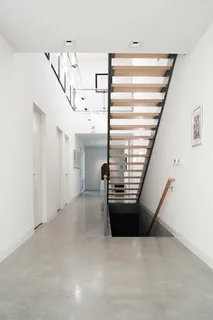
Not every polished concrete floor looks the same. The final appearance depends on the level of shine selected during the polishing process. Some spaces benefit from a soft matte finish, while others look better with a high-gloss surface that reflects more light.
The choice often depends on the building’s purpose, lighting, and maintenance goals. Residential spaces may prefer a natural appearance, while commercial buildings often choose brighter finishes for a clean, modern look.
Selecting concrete floor polishing Atlantic Beach, FL helps ensure the floor matches both practical needs and design preferences.
Maintaining Polished Concrete for Long-Term Performance
A polished floor remains beautiful when it receives regular care. Fortunately, maintenance is simple compared to many other flooring materials. Sweeping removes dirt that can cause scratches, while damp mopping keeps the surface clean without harsh chemicals.
Avoid using acidic cleaners because they may reduce the floor’s shine over time. Instead, use cleaners recommended for polished concrete floors to preserve the finish.
Routine inspections also help identify minor damage before it becomes a larger problem. Simple maintenance keeps the surface looking attractive while extending its lifespan. With proper care, polished concrete continues to provide durability, easy cleaning, and excellent performance for many years.
A Durable Floor Begins with the Right Process
The concrete polishing process involves much more than creating a shiny surface. Careful preparation, proper grinding, surface strengthening, and multiple polishing stages all work together to produce durable, long-lasting results. Every step plays an important role in achieving a floor that performs well in both residential and commercial settings.

Whether exploring polished concrete flooring services Neptune Beach, FL, searching for experienced, or learning about, understanding the process helps property owners make informed flooring decisions. Trusted professionals, including N FL Concrete Flooring & Staining, recognize that quality workmanship and attention to every stage create polished concrete floors that remain attractive, durable, and easy to maintain for years to come.
FAQs
1. How long does the concrete polishing process usually take?
Most projects take one to several days, depending on the floor size, concrete condition, repairs required, and the level of shine selected for the finished surface.
2. Is polished concrete suitable for residential and commercial buildings?
Yes. Polished concrete works well in homes, offices, retail stores, warehouses, and commercial facilities because it offers durability, easy maintenance, and long-lasting performance.
3. Does polished concrete require a lot of maintenance?
No. Regular sweeping, damp mopping, and using cleaners designed for polished concrete help maintain the floor’s appearance while protecting its finish for many years.
4. Can old concrete floors be polished?
Yes. Many existing concrete floors can be polished after repairs and proper preparation. The final appearance depends on the concrete’s overall condition and age.
5. Why is applying a concrete densifier important?
A concrete densifier strengthens the surface, reduces dust, improves durability, and creates a better foundation for polishing, helping the finished floor last much longer.