When homeowners consider upgrading their outdoor living space, one of the most common questions they ask is whether a paver patio vs concrete patio is the better investment. We regularly help Florida homeowners choose patio solutions that balance durability, cost, appearance, and long-term value. While both options can create a functional and attractive outdoor area, their performance over time especially in Florida’s climate differs significantly.
Understanding how materials behave under heat, humidity, heavy rain, and shifting soil is essential before committing to either option. This guide breaks down concrete patios and paver patios in detail, helping you make an informed decision based on real-world conditions rather than surface-level comparisons.
Understanding Concrete Patios in Florida Homes
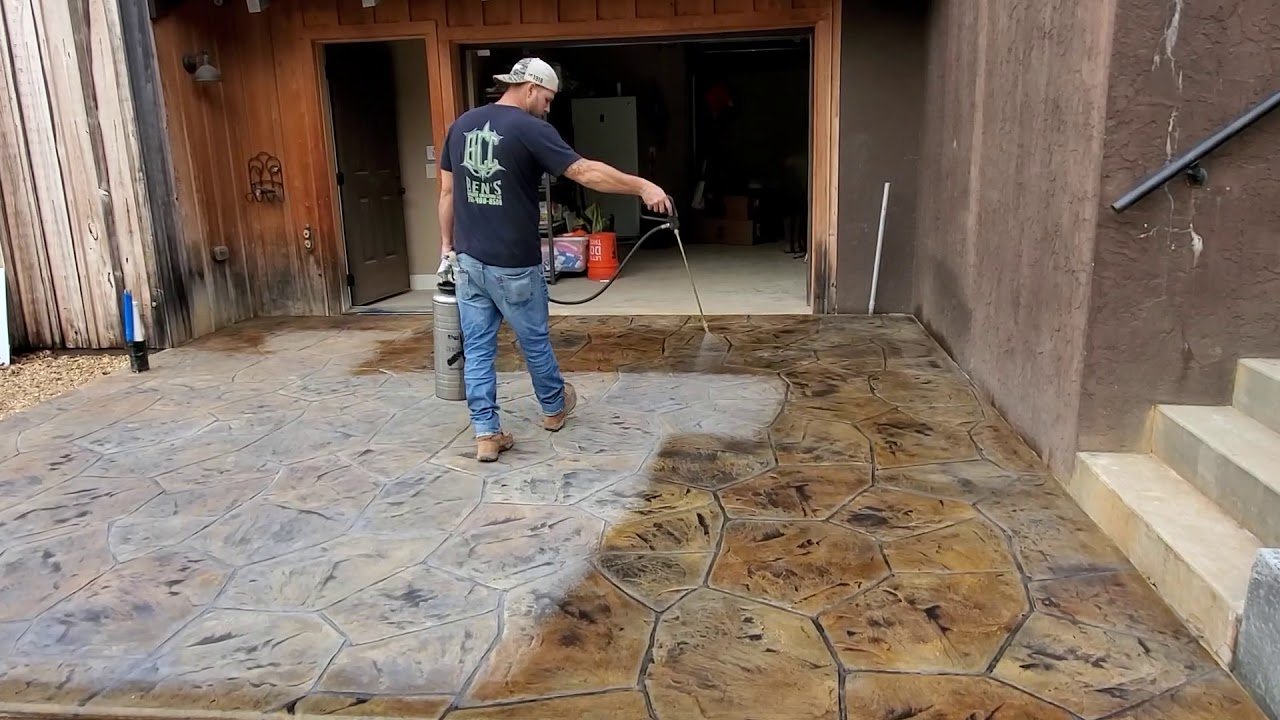
Concrete patios are often chosen because they appear simple, clean, and cost-effective at first glance. A poured concrete slab creates a smooth surface that can be finished with broom textures, stamping, or staining. Many homeowners searching for sealed patio concrete in Jacksonville Fl prefer concrete because of its uniform appearance and quicker installation timeline.
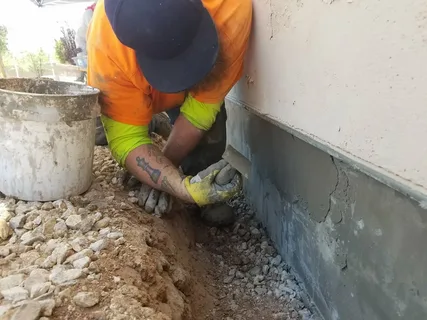
Concrete patios rely on a solid subgrade and proper curing to perform well. However, concrete is a rigid material. Once it sets, it does not flex with soil movement or temperature fluctuations. In Florida, where sandy soil, moisture retention, and intense heat are common, this rigidity can lead to cracking over time. Even well-installed concrete patios can develop hairline fractures caused by expansion, contraction, and ground settlement.
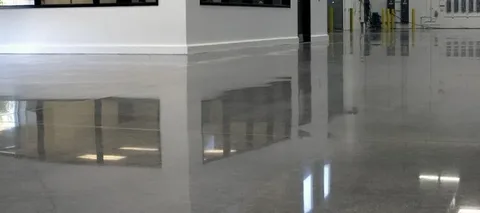
Sealing concrete helps reduce moisture absorption and surface staining, but sealing does not eliminate structural cracking. Repairs often require cutting, patching, or replacing large sections of the slab, which can affect both appearance and cost.
What Makes Paver Patios a Popular Alternative
Paver patios are constructed using individual interlocking stones installed over a compacted base of crushed aggregate and bedding sand. This system allows the patio to flex naturally with soil movement, making it particularly suitable for regions with frequent rainfall and shifting ground. Homeowners interested in Proper paver sealing In San Marco Fl often choose pavers because sealing enhances color depth while protecting against moisture intrusion and surface wear.
Unlike concrete slabs, pavers distribute weight across multiple points, reducing stress fractures. If one paver becomes damaged, it can be removed and replaced without disturbing the surrounding surface. This modular structure significantly improves long-term maintenance efficiency.
Paver patios also offer extensive design flexibility. With multiple shapes, textures, colors, and laying patterns available, homeowners can create highly customized outdoor spaces that complement both modern and traditional architecture.
Durability and Lifespan Comparison
Concrete patios typically last 10 to 15 years before visible cracking, surface wear, or drainage issues require attention. In Florida’s climate, exposure to UV radiation, heat expansion, and moisture accelerates deterioration.
Paver patios, when installed correctly, can last 25 years or more. Their ability to flex under pressure and resist cracking makes them particularly well-suited for high-traffic outdoor areas such as pool decks, entertainment spaces, and walkways.
This durability is one reason many homeowners invest in Patio concrete services IN Ponte Vedra Beach Fl initially but later transition to pavers for long-term outdoor upgrades.
Comparing Installation Methods and Structural Performance
One of the biggest differences between concrete and paver patios lies beneath the surface. Concrete patios depend heavily on the quality of the subgrade and expansion joints. Improper soil compaction or drainage can lead to uneven settling, which increases cracking risk.
Paver systems, by contrast, rely on layered construction. A compacted RCA base provides structural support, while the sand layer allows micro-adjustments over time. Edge restraints maintain alignment, and polymer sand between joints prevents weed growth and erosion.
Because Florida experiences heavy rainfall, drainage performance is a critical consideration. Paver patios allow water to move through joints and into the base layer, reducing surface pooling. Concrete patios tend to shed water across the surface, which can lead to erosion around the slab edges if drainage is not carefully managed.
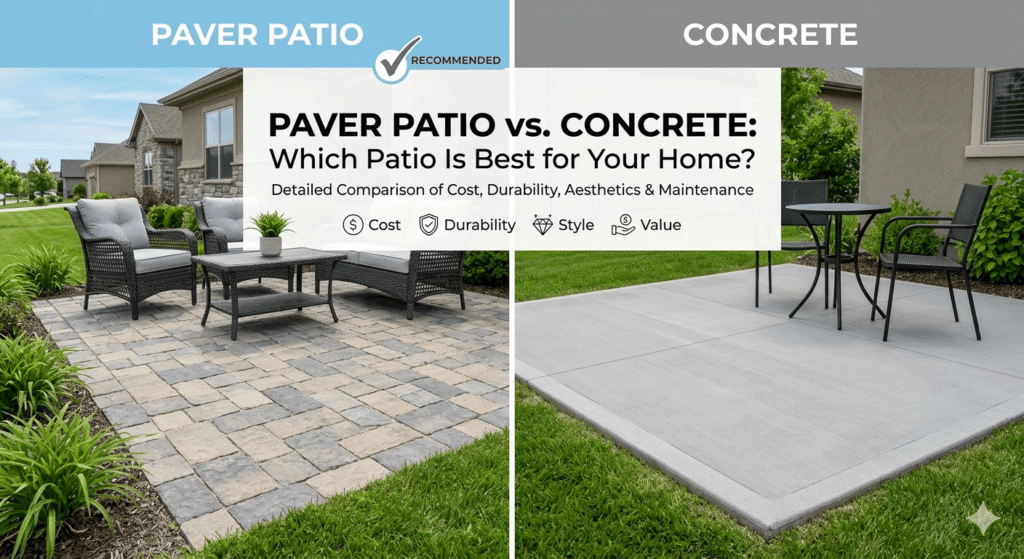
Paver Patio vs Concrete Cost: Short-Term vs Long-Term Value
When homeowners compare paver patio vs concrete cost, concrete usually appears less expensive upfront. Poured concrete requires fewer materials and less labor during initial installation, making it attractive for budget-conscious projects.
However, evaluating the cost of paver patio vs concrete solely on installation price overlooks long-term expenses. Concrete repairs often involve demolition and replacement of large sections, while paver repairs are localized and significantly less invasive.
Over a 20–25 year lifespan, paver patios often deliver better overall value due to lower repair costs, higher durability, and stronger resale appeal. Many real estate professionals consider pavers a premium hardscaping feature that enhances outdoor living spaces and boosts property value.
Maintenance Expectations for Both Patio Types
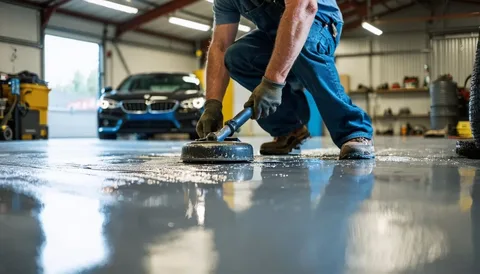
Concrete patios require periodic sealing to protect against moisture penetration, staining, and surface degradation. Even with regular maintenance, cracks may still form due to environmental stressors. Once cracked, repairs are difficult to disguise completely.
Paver patios require occasional joint sand replenishment and optional sealing. Sealing pavers enhances color, prevents weed growth, and protects against oil or food stains. Maintenance tasks are typically simple and do not compromise the patio’s overall appearance.
For homeowners seeking long-term ease of ownership, pavers generally offer a more forgiving maintenance profile.
Design Flexibility and Aesthetic Appeal
Concrete patios offer limited design flexibility once poured. While stamping and staining add visual interest, color fading and surface wear are common concerns over time.
Pavers provide unmatched versatility. Homeowners can choose from numerous textures, natural stone looks, and laying patterns such as herringbone, basket weave, or running bond. Borders, inlays, and accent colors allow for truly customized designs that integrate seamlessly with landscaping features.
This design adaptability makes pavers ideal for homeowners who value both function and aesthetics.
Climate Considerations for Florida Properties
Florida’s climate plays a major role in patio performance. High humidity, intense sun exposure, frequent rain, and sandy soil all impact outdoor materials.
Concrete’s rigidity makes it vulnerable to thermal expansion and contraction, while moisture can penetrate microcracks and worsen structural damage over time.
Paver patios handle these conditions more effectively. Their permeable structure improves drainage, and individual units can shift slightly without compromising the surface. This adaptability reduces long-term stress and structural failure.
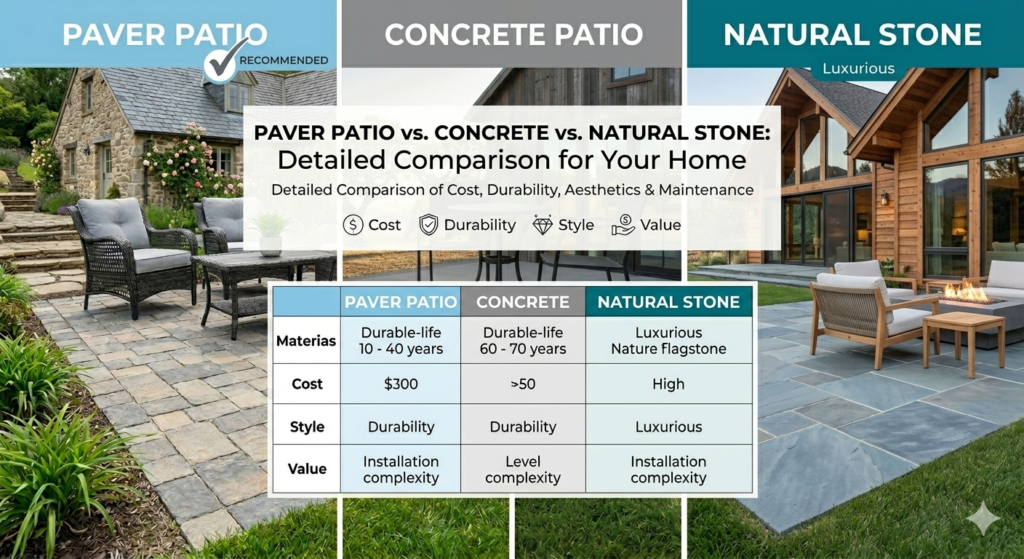
Which Patio Option Is Right for Your Home?
Choosing between concrete and pavers ultimately depends on priorities. Concrete may be suitable for short-term projects or areas with minimal traffic. Pavers are better suited for homeowners seeking longevity, visual appeal, and lower lifetime maintenance.
Evaluating how you plan to use the space, your budget horizon, and Florida’s environmental conditions will guide the right decision.
Final Thoughts
When weighing paver patio vs concrete, the decision extends beyond appearance and upfront cost. Durability, maintenance, climate performance, and long-term value all matter. At NFL Concrete Flooring & Staining, we help homeowners make informed choices that align with their property goals and Florida’s demanding environment.
Whether you’re upgrading an existing patio or planning a new outdoor space, selecting the right material ensures years of enjoyment, comfort, and lasting value.
Frequently Asked Questions
Which is more affordable: concrete or paver patios?
Concrete patios cost less upfront, but paver patios often provide better long-term value due to lower repair costs and longer lifespan.
Do paver patios require more maintenance than concrete?
No. Pavers require occasional joint sand maintenance, but repairs are easier and less noticeable than concrete crack repairs.
Can concrete patios be sealed to prevent cracking?
Sealing protects against stains and moisture but does not prevent cracking caused by soil movement or temperature changes.
Are paver patios better for Florida weather?
Yes. Pavers handle heat, moisture, and soil movement more effectively than rigid concrete slabs.