
Concrete is one of the strongest and longest-lasting building materials available, but it is not indestructible. Weather changes, moisture, heavy traffic, soil movement, and aging can all damage concrete over time. Small cracks or surface defects may seem harmless at first, but they can quickly become expensive structural problems if left untreated.
Understanding common concrete issues, the right repair methods, and the expected costs helps homeowners and property managers make informed decisions. Whether you need to restore a driveway, patio, sidewalk, porch, or commercial slab, acting early can extend the life of your concrete and prevent complete replacement.
If you’re looking for long-term value, professional Concrete Repair is almost always more affordable than waiting until the damage becomes severe.
Why Does Concrete Become Damaged?
Concrete naturally expands and contracts as temperatures change. Over the years, repeated stress weakens the surface and allows moisture to enter. Water penetration is one of the biggest causes of deterioration because it can freeze, expand, and create larger cracks.
Other common causes include:
- Poor installation techniques
- Improper concrete mix
- Heavy vehicle traffic
- Tree root movement
- Soil settlement
- Water infiltration
- Chemical exposure
- Freeze-thaw cycles
- Lack of maintenance
Many of these problems begin with tiny imperfections that gradually spread across the slab.
Cracks: The Most Common Concrete Repair Problem
Cracks are the issue most property owners notice first. Some cracks are cosmetic, while others signal serious structural movement.
Hairline Cracks
Hairline cracks usually form as concrete cures. These are generally harmless but should be monitored to prevent water intrusion.
Settlement Cracks
When the ground beneath the slab shifts, larger cracks may appear. These often require lifting, leveling, or slab stabilization before repairs.
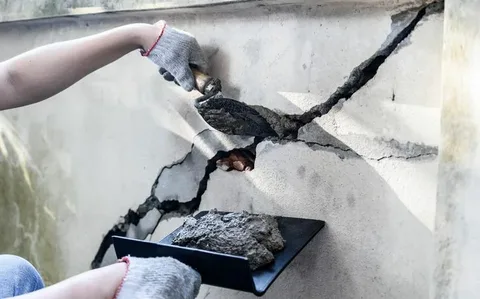
Structural Cracks
Wide cracks that continue growing may indicate foundation movement or heavy structural stress. These repairs should be completed quickly before additional damage occurs.
Professional contractors inspect crack width, depth, location, and movement before choosing the appropriate repair method.
What Is Concrete Spalling and Why Does It Happen?
Concrete spalling occurs when the surface begins to chip, flake, or peel away. Instead of remaining smooth, the top layer breaks apart and exposes rough aggregate underneath.
Common causes include:
- Water penetration
- Freeze-thaw damage
- Corrosion of reinforcing steel
- Low-quality concrete mix
- Road salts
- Heavy traffic
Spalling affects both appearance and structural durability. Once the protective surface is gone, moisture reaches deeper layers, accelerating deterioration.
Many homeowners ask about spalling concrete repair costs before starting a project. The total expense depends on:
- Size of damaged area
- Repair depth
- Surface preparation
- Reinforcement damage
- Decorative finish requirements
Minor repairs typically cost much less than replacing an entire slab.
Uneven Concrete Creates Safety Hazards
Sunken or uneven concrete is more than an appearance issue. It creates tripping hazards and can reduce property value.
Uneven surfaces often develop because of:
- Soil erosion
- Poor drainage
- Underground voids
- Tree roots
- Improper compaction during installation
Instead of replacing the slab, many contractors use lifting techniques that restore the original height while saving time and money.
When evaluating sidewalks, driveways, or commercial walkways, experienced contractors offering Concrete Repair Solutions in St. Johns County, FL carefully assess soil conditions, drainage patterns, slab movement, and long-term stability to recommend repairs that deliver durable, cost-effective results.
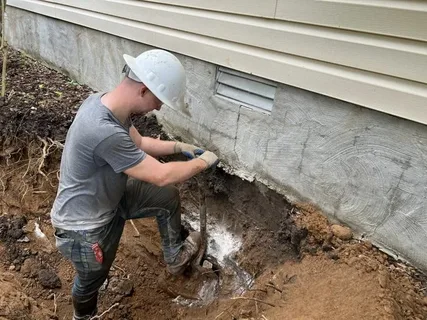
Surface Scaling and Discoloration
Scaling is another common issue that affects concrete surfaces. It appears as thin layers peeling from the top of the slab.
Typical causes include:
- Freeze-thaw cycles
- Deicing chemicals
- Poor finishing
- Excess water during installation
Although scaling usually begins as a cosmetic problem, it eventually weakens the concrete if ignored.
Professional resurfacing restores both appearance and durability while protecting against future deterioration.
Porch Damage: Understanding Repair Costs
Concrete porches experience constant exposure to weather, foot traffic, and moisture.
Common porch problems include:
- Settlement
- Cracking
- Surface spalling
- Corner damage
- Water erosion
Many homeowners ask about the cost to repair concrete porch because repair is often far less expensive than demolition and replacement.
Pricing depends on several factors:
- Porch size
- Depth of damage
- Structural movement
- Reinforcement condition
- Finish restoration
Simple crack repairs are relatively affordable, while extensive structural restoration naturally requires a larger investment.
Common Concrete Repair Methods
Every damaged slab requires a different repair approach. Choosing the correct solution ensures long-lasting performance.
Crack Injection
Epoxy or polyurethane injections seal cracks and restore structural strength while preventing water infiltration.
Concrete Resurfacing
Resurfacing applies a fresh layer over existing concrete, improving appearance without full replacement.
Patching
Small damaged sections are removed and filled with specialized repair materials designed to bond permanently.
Slab Lifting
Mudjacking or polyurethane foam injection raises sunken concrete back to its original level.
Joint Repair
Expansion joints prevent future cracking by allowing natural movement between slabs.
Professional contractors determine which method provides the greatest long-term value instead of recommending unnecessary replacement.
Property owners searching for reliable Damaged Concrete Repair Solutions in Atlantic Beach, FL often benefit from detailed inspections that identify hidden moisture problems, soil settlement, reinforcement corrosion, and structural movement before selecting the most effective repair strategy.
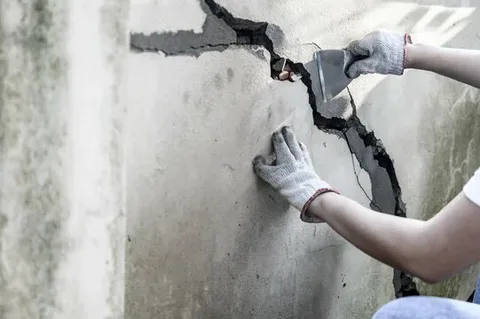
What Affects Overall Repair Costs?
Every repair project is unique, so pricing varies significantly.
Several factors influence total cost:
- Type of damage
- Square footage
- Repair depth
- Structural reinforcement
- Decorative finishes
- Accessibility
- Labor requirements
- Drainage corrections
- Material quality
Questions regarding concrete spalling repair cost are common because spalling ranges from minor cosmetic repairs to major structural restoration. Early repairs almost always reduce total expenses.
Waiting too long allows damage to spread, increasing labor and material costs considerably.
Should You Repair or Replace Concrete?
Many homeowners assume replacement is the only option. In reality, repair is often the smarter investment.
Repair is usually recommended when:
- Damage is localized
- Cracks are repairable
- Reinforcement remains structurally sound
- Settlement is limited
- Surface deterioration is moderate
Replacement becomes necessary when:
- Structural failure is extensive
- Multiple repairs have already failed
- Reinforcement has severe corrosion
- Large portions of the slab are unstable
A professional inspection helps determine the most cost-effective solution.
How to Prevent Future Concrete Damage
Preventive maintenance extends the life of concrete and reduces repair costs.
Helpful maintenance tips include:
- Seal concrete regularly.
- Keep drainage away from slabs.
- Repair small cracks immediately.
- Avoid standing water.
- Clean chemical spills quickly.
- Remove weeds from joints.
- Avoid excessive heavy loads.
- Schedule periodic inspections.
Routine maintenance protects your investment and minimizes expensive future repairs.
Why Choose Professional Concrete Contractors?
Concrete repair requires more than filling visible cracks. Professionals identify underlying causes before recommending solutions.
Experienced contractors provide:
- Accurate damage assessments
- High-quality repair materials
- Proper surface preparation
- Long-lasting repair techniques
- Improved safety
- Better appearance
- Extended concrete lifespan
Whether repairing residential driveways, patios, sidewalks, porches, pool decks, or commercial flooring, hiring qualified specialists delivers better long-term value.
For homeowners and businesses needing dependable Concrete Repair Services in Jacksonville, FL, working with experienced professionals ensures repairs address both visible damage and underlying structural issues, helping concrete surfaces remain strong, safe, and attractive for many years.
Why Homeowners Trust N FL Concrete Flooring & Staining
When concrete begins showing signs of damage, choosing the right contractor makes all the difference. N FL Concrete Flooring & Staining combines professional craftsmanship with quality materials and proven repair techniques to restore concrete surfaces efficiently.
From crack repairs and spalling restoration to slab leveling and decorative resurfacing, the company focuses on durable solutions that improve both safety and appearance. Their experienced team evaluates each project carefully to recommend repairs that maximize value while helping property owners avoid unnecessary replacement costs.
Frequently Asked Questions (FAQs)
1. How do I know if my concrete needs repair?
Signs include cracks, uneven surfaces, flaking, spalling, discoloration, pooling water, or exposed reinforcement.
2. Is Concrete Repair cheaper than replacement?
Yes. In many cases, repairing damaged concrete costs significantly less than removing and replacing an entire slab.
3. What causes concrete spalling?
Moisture infiltration, freeze-thaw cycles, reinforcing steel corrosion, poor installation, and deicing chemicals are common causes.
4. What affects spalling concrete repair cost?
Damage severity, repair depth, reinforcement condition, surface preparation, and finishing requirements all influence pricing.
5. What determines the cost to repair concrete porch?
Porch size, crack severity, settlement, material choice, and labor requirements are the primary cost factors.
6. How is concrete spalling repair cost different from crack repair?
Spalling repairs often require removing damaged concrete, treating reinforcement, rebuilding the surface, and refinishing, making them more involved than simple crack sealing.
7. Can cracked concrete become structurally unsafe?
Yes. Large or expanding cracks may indicate foundation movement or structural stress and should be inspected promptly.
8. How long does professional concrete repair last?
With quality materials, proper installation, and regular maintenance, professional repairs can last for many years while significantly extending the life of the original concrete.