Paver sealing is one of the easiest ways to protect a patio, driveway, or pool deck you already paid good money for. But is it real protection or just an upsell? For most Northeast Florida homes, the honest answer is yes, it is worth it, as long as it is done at the right time with the right product.
This guide covers what paver sealing does, what it costs, when it pays off, and how to seal pavers the right way. You will know exactly what your pavers need by the end.
Paver Sealing at a Glance
Here is the short version before we dig in.
| Question | Quick Answer |
| What does it do? | Blocks stains, locks joint sand, slows fading and mildew |
| Average cost | About $400 per job, or $1 to $3 per square foot |
| How long it lasts | About 2 to 5 years, depending on sealer type |
| When to seal new pavers | After efflorescence clears, often 2 to 3 months |
| Best areas to seal | Driveways, pool decks, outdoor kitchens, shaded patios |
| DIY or pro? | DIY works on small, clean areas; pros avoid haze and sealed-in stains |
What Is Paver Sealing?
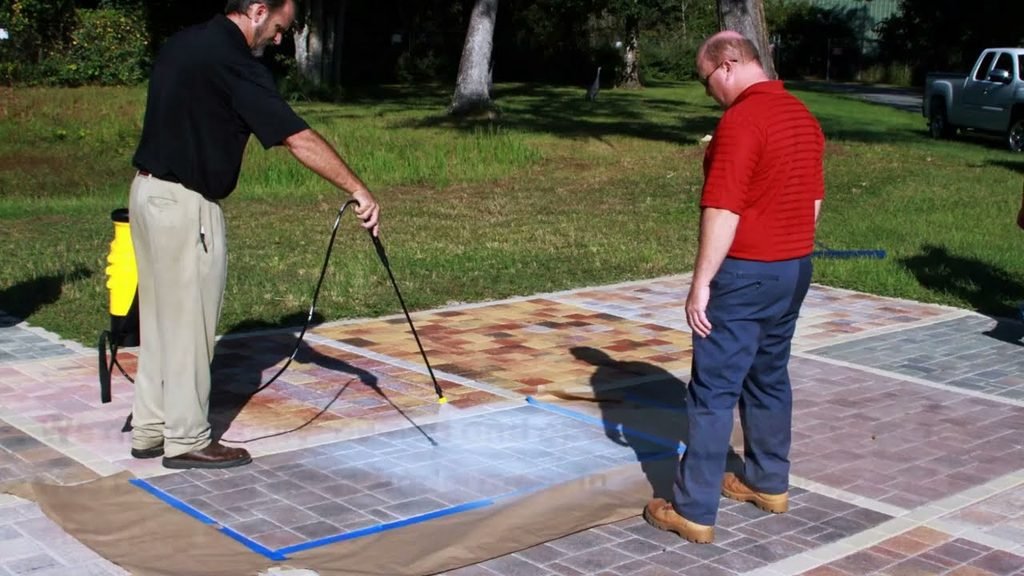
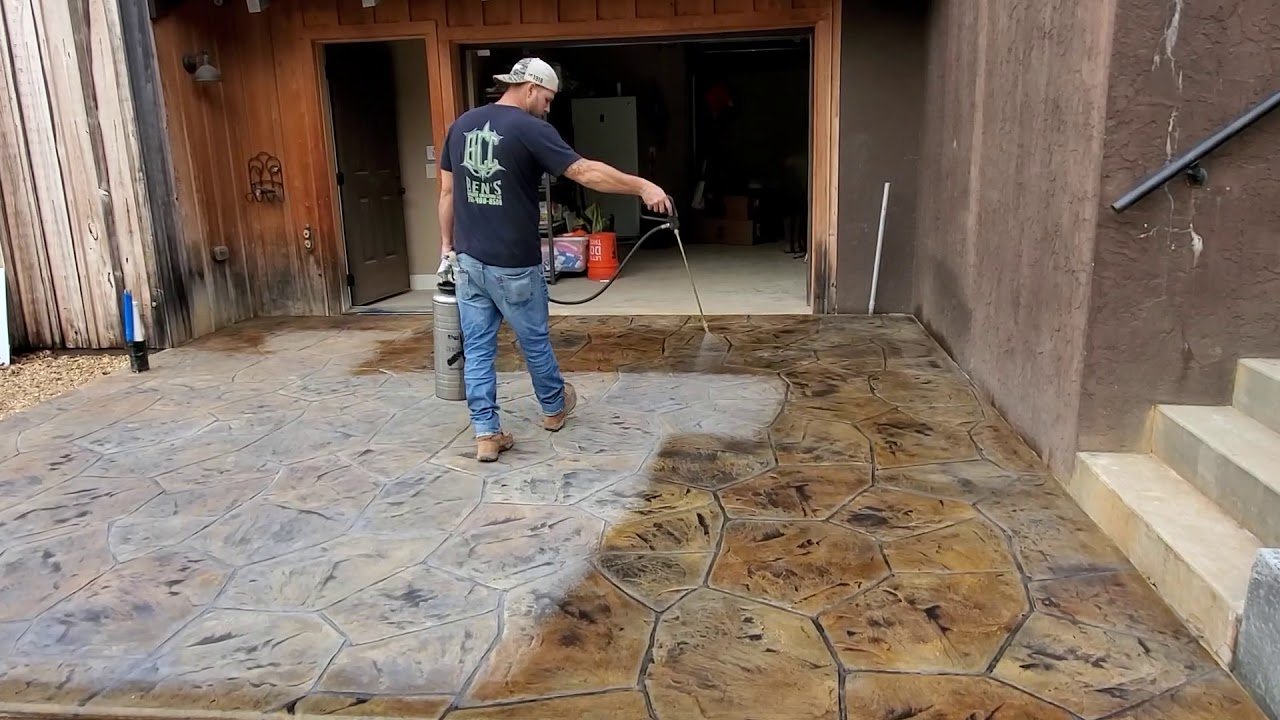
Paver sealing is the process of cleaning pavers, refilling the joints with sand, and applying a protective liquid coating. The sealer either soaks into the surface or forms a thin film on top.
Concrete pavers are porous. Under a magnifying glass, the surface looks like a sponge. That helps with traction and drainage, but it also lets oil, rust, leaf tannins, and mildew soak in.
A quality sealer closes off much of that porosity. Spills sit on top longer, so you can rinse them away before they become permanent.
Paver Sealing Benefits That Actually Matter
Stain Resistance
Sealed pavers buy you time. A dropped burger, a leaking car, or spilled wine can be cleaned up before it leaves a shadow. Unsealed pavers can absorb those spills within minutes.
Locked Joint Sand and Fewer Weeds
Joint sand keeps pavers tight and level. Heavy rain, pressure washing, and ants slowly pull it out. When joints empty, pavers shift and weeds move in.
A joint-stabilizing sealer binds the top layer of sand in place. Fewer weeds and fewer ant hills are often the first benefit homeowners notice.
Protection From Florida Sun
UV light slowly fades the pigments in concrete pavers. In Jacksonville, where pavers sit in direct sun most of the year, fading shows up fast. Sealers with UV inhibitors help reds, tans, and charcoals keep their depth.
Less Mold, Mildew, and Algae
Jacksonville averages 53.4 inches of rain per year, according to the latest NOAA climate normals reported by News4JAX. Add humidity and shade, and pool decks and patios turn green or black quickly.
Paver sealing reduces how much water the surface holds. That makes it harder for mildew and algae to take hold, and keeps surfaces safer underfoot.
Easier Cleaning
A sealed surface releases dirt more easily. Most routine cleaning becomes a garden hose and a soft brush. That also protects your pavers, since frequent high-pressure washing erodes the surface and blasts out joint sand.
Richer Color and a Finished Look
Sealers come in natural, satin, and wet-look finishes. A wet-look finish deepens color, like pavers right after a rain. A natural finish protects without changing the look much.
Longer Life for Your Investment
Installing pavers costs far more per square foot than sealing them. Sealing reduces the slow wear, sand loss, and staining that make pavers look old early. Protecting the surface is much cheaper than replacing it.
Are There Downsides to Sealing Pavers?
Yes, and a trustworthy contractor will tell you about them up front.
• It is ongoing maintenance. Sealer wears and needs to be reapplied every few years.
• The wrong product can trap moisture. Some film-forming sealers turn cloudy or white in humid climates.
• Glossy finishes can be slippery when wet. Around pools, choose a natural finish or an anti-slip additive.
• Poor prep locks in problems. Sealing over dirt or efflorescence seals it in.
Every one of these is avoidable with the right sealer and correct timing. That is why who applies it matters as much as the product.
Is Paver Sealing Worth the Cost?
For most homeowners, yes. According to Angi’s 2026 cost data, the national average to clean and seal pavers is about $400, with most projects between $300 and $550. That works out to roughly $1 to $3 per square foot.
Price depends on the size of the area, the condition of the pavers, stain removal needs, and the sealer you choose.
| Sealer Type | Finish | Typical Lifespan | Professional Application |
| Solvent-based | High gloss, wet look | Up to 5 years | About $1.50 to $2.00 per sq ft |
| Water-based | Natural to satin, breathable | About 2 years | About $2.25 to $3.75 per sq ft |
Now compare that with the cost of replacing stained, faded, or sunken sections. Spread across the years a good seal lasts, paver sealing costs very little per year.
When Paver Sealing Pays Off Most
• Driveways, where oil, tire marks, and rust are common
• Pool decks, which face chlorine, sunscreen, constant wet-dry cycles, and algae
• Outdoor kitchens and dining patios, where grease and food spills happen often
• Shaded areas that stay damp and grow mildew
• Coastal homes, where salt air and wind-blown sand wear surfaces faster
• Homes going on the market, since clean, sealed pavers show better
When You Might Wait or Skip It
• New pavers that still show white efflorescence
• Pavers that are sinking or shifting and need to be reset first
• Low-traffic garden paths where a natural, weathered look is fine
Do Paving Stepping Stones Need Sealing?
Paving stepping stones through a lawn or garden see light traffic and few spills, so paver sealing is optional. If they sit under trees that drop leaves or berries, a penetrating sealer helps prevent tannin stains and mildew.
Sealing New Pavers After Paver Installation
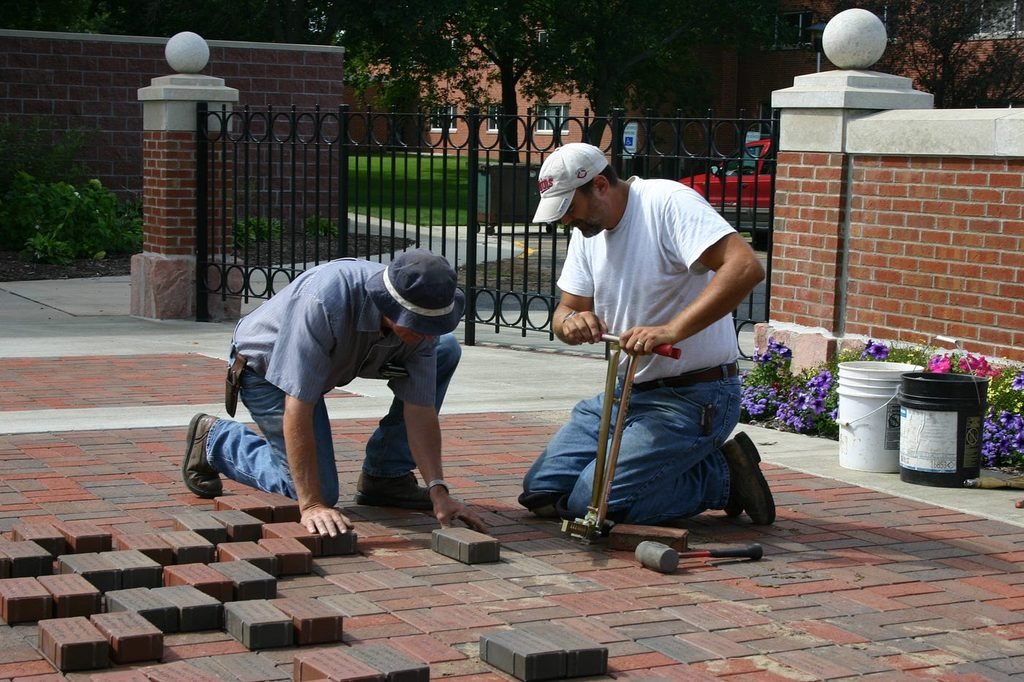
If you are installing a paver patio, it is tempting to seal right away. Wait. Pavers must be free of efflorescence before any sealer goes on. Unilock, a major paver manufacturer, suggests waiting 2 to 3 months, or even up to a year, for it to clear naturally.
Efflorescence is a white, powdery haze of natural calcium salts. It does not weaken pavers, but sealing over it traps it under the coating.
Good paver installation also sets up a better seal. A compacted base, tight joints, and properly placed joint sand give the sealer a solid surface to bond to. Still deciding between materials? Our Paver Patio comparison breaks down pavers versus poured concrete.
How to Seal Pavers Step by Step
Here is how to seal pavers the way professionals do.
1. Do the water test. Sprinkle water on the pavers. If it darkens the surface and soaks in quickly, they need sealing. If it beads, the old sealer is still working.
2. Clean thoroughly. Remove dirt, mildew, oil, and rust with a cleaner made for each stain. Use moderate pressure so you do not etch the surface.
3. Remove efflorescence. Use an efflorescence cleaner if white haze is present, then rinse well.
4. Let it dry completely. Allow at least 24 hours of dry weather, longer after heavy rain. Trapped moisture is the top cause of cloudy sealer.
5. Re-sand the joints. Sweep in joint sand or polymeric sand, compact it, and sweep off the excess. Confirm the sealer works with polymeric sand.
6. Check the forecast. Pick a day with no rain expected for at least 24 hours. In Jacksonville summers, early morning helps you beat afternoon storms.
7. Apply thin, even coats. Use a low-pressure sprayer or roller. Thin coats cure clear; heavy coats puddle and haze.
8. Let it cure. Keep foot traffic off for several hours and cars off for 24 to 48 hours, or as the label directs.
DIY vs. Professional Paver Sealing
DIY sealing can work on a small, clean patio if you follow every step. But most problems we see come from DIY jobs: hazy finishes, slick surfaces, sealed-in stains, and sand washed out of joints.
| Factor | DIY | Professional |
| Upfront cost | Lower | Higher |
| Equipment | Rented or store-bought | Commercial cleaners and sprayers |
| Stain removal | Hit or miss | Stain-specific treatments |
| Risk of haze or slick finish | Higher | Low |
| Time | One or two weekends | Usually one to two days |
A professional crew also knows how to read Florida weather and moisture before sealing. Our Paver sealing Services cover deep cleaning, re-sanding, and the final coat.
Want a pro opinion on your pavers? Call NFL Concrete Flooring at (904) 554-2869 for a free estimate.
How Often Should You Reseal Pavers?
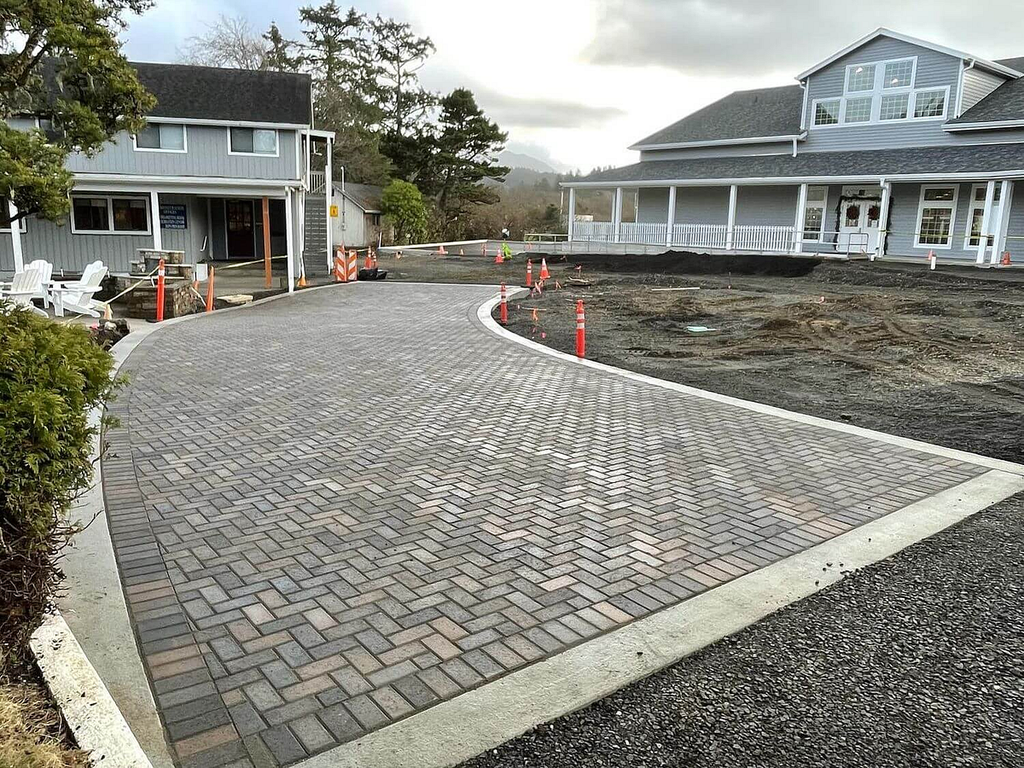
Most pavers need resealing every 2 to 5 years. Water-based sealers usually last about 2 years, while solvent-based sealers can last up to 5. Sun, traffic, and pressure washing shorten that.
Do the water test once a year. When water soaks in instead of beading, the color looks flat, or joints are losing sand, it is time for paver sealing again.
Between visits:
• Sweep regularly and rinse off spills quickly
• Clear leaves before they leave tannin stains
• Avoid harsh acids and high-pressure washing
Frequently Asked Questions About Paver Sealing
Does sealing pavers make them slippery?
Some glossy sealers can feel slick when wet. Penetrating sealers, natural finishes, or an anti-slip additive keep good traction, which is why they are the usual choice for pool decks.
How long after paver installation should I seal?
Wait until all efflorescence is gone, often 2 to 3 months after installation. Your installer can confirm timing for your specific pavers.
Can I seal pavers during Jacksonville’s rainy season?
Yes, with planning. The pavers must be fully dry, and you need at least 24 rain-free hours after application. Early-morning work helps in summer.
Will paver sealing fix sinking or uneven pavers?
No. Sealing protects the surface and stabilizes joint sand. Sunken or shifting pavers must be lifted, re-based, and reset first.
Is paver sealing worth it for older pavers?
Often, yes. A deep clean, fresh joint sand, and a color-enhancing sealer can make older pavers look close to new for far less than replacement.
The Verdict: Paver Sealing Is Worth It
For most Jacksonville homeowners, paver sealing is a smart, low-cost investment. It protects against stains, sun, mildew, and sand loss, makes cleaning easier, and extends the life of your outdoor surfaces.
The key is good prep, correct timing, and the right sealer for how you use the space. NFL Concrete Flooring also offers a full range of Concrete Flooring Services in Jacksonville FL for driveways, patios, and floors.
Ready to protect your pavers? Call NFL Concrete Flooring today at (904) 554-2869 for your free paver sealing estimate.