Garages take a lot of abuse. Cars drip oil. Tools get dropped. Kids ride bikes over the concrete every day. Plain concrete cannot handle all of this for long. It cracks, stains, and turns dusty over time. This is why more homeowners are turning to garage floor coating to protect their space and make it look great again.
In this guide, we break down everything you need to know about garage floor coating in simple terms. You will learn what it is, why it matters, how it works, and how to pick the right option for your home in 2026.
What Is Garage Floor Coating?
A garage floor coating is a protective layer applied on top of concrete. It seals the surface. It also adds color, shine, and strength. Most coatings are made from epoxy, polyurea, or polyurethane. Each one bonds to the concrete and creates a hard shield against oil, water, and heavy weight.
Think of it like a raincoat for your floor. Without it, the concrete soaks up every spill and stain. With it, spills sit on top and wipe away easily.
A good floor coating garage setup does three things well:
- Protects the concrete from cracks and stains
- Makes cleaning fast and simple
- Gives your garage a clean, finished look
Why Concrete Alone Is Not Enough
Bare concrete looks tough, but it is full of tiny holes. These holes soak up oil, salt, and moisture. Over time, this causes cracking, dusting, and pitting.
A coating fills those holes and blocks moisture from getting in. This keeps the slab strong for many more years and stops the dust that builds up on tires and shoes.
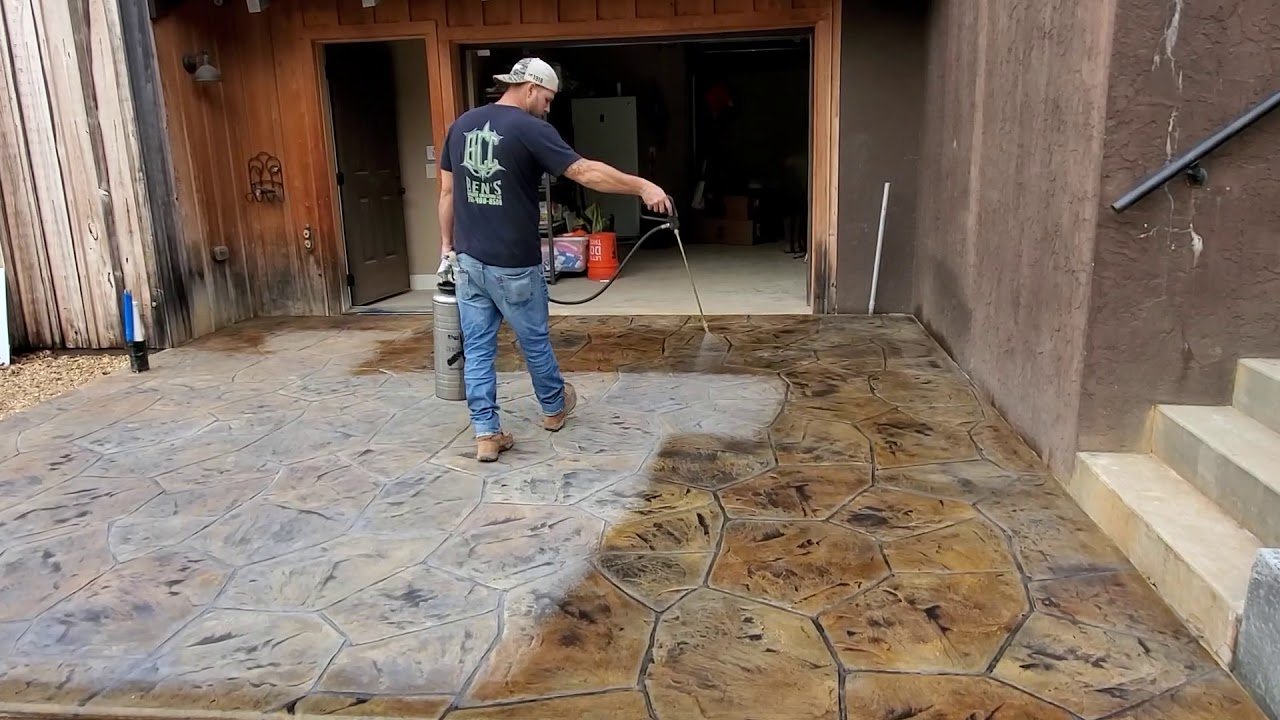
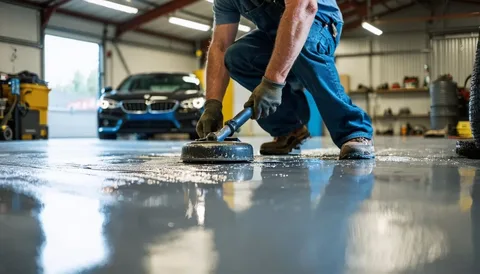
How to Coat Garage Floor Epoxy: The Basic Process
Many homeowners ask about how to coat garage floor epoxy the right way. While a professional crew gets the best results, it helps to know the steps involved.
- Clean the surface. All dirt, grease, and old sealer must be removed first.
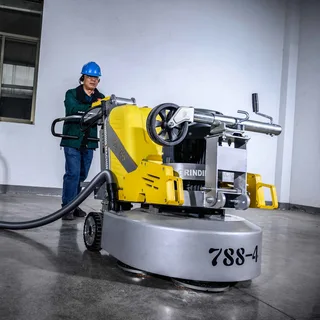
- Grind or etch the concrete. This opens up the pores so the coating can bond well.
- Repair cracks. Small cracks and chips are filled and smoothed out.
- Apply the epoxy base coat. This layer builds color and strength.
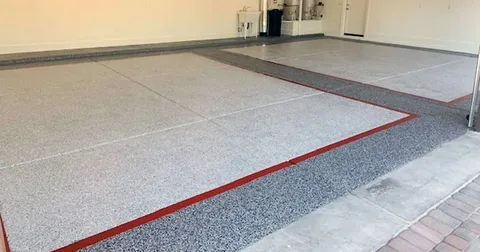
- Add flake or quartz, if wanted. This step adds texture and hides small flaws.
- Seal with a top coat. This final layer locks everything in place.
Skipping any of these steps often leads to peeling or bubbling later.
The Role of a Polyurethane Top Coat for Garage Floor
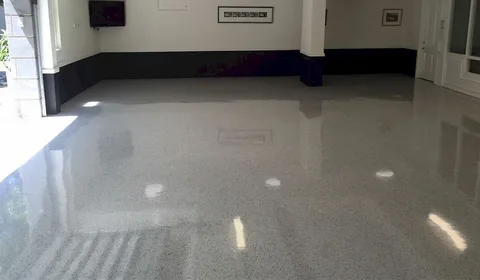
A polyurethane top coat for garage floor systems is the final and most important layer. Epoxy alone can scratch and turn yellow under sunlight. A polyurethane top coat adds a hard, clear shield on top of the epoxy. It blocks UV rays, resists hot tires, and keeps the shine looking fresh for years.
Without this top coat, even the best epoxy floor will wear down faster. With it, the whole system lasts much longer and stays easier to clean.
Benefits of Garage Floor Coating
A quality garage floor coating offers real value beyond looks. Here are the biggest benefits homeowners notice right away:
- Stain resistance — oil, gas, and antifreeze wipe off with ease
- Easy cleaning — a broom or mop is often all you need
- Added strength — the slab resists cracks and heavy impact
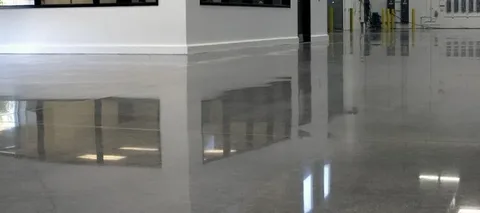
- Better light — glossy finishes reflect light and brighten the space
- Higher home value — buyers notice a clean, finished garage
- Long life — a well-done coating can last ten years or more
Many homeowners in Northeast Florida trust local experts for this work because humidity and heat can make DIY coatings fail fast. For homes near the coast, Professional Garage Floor Coating in Atlantic Beach, FL projects require extra care with moisture testing before any coating goes down, since salt air and humidity can cause bonding issues if the slab is not fully dry and prepped.
Types of Garage Floor Coatings
Not all coatings are the same. Here is a quick look at the most common types used in 2026.
Epoxy Coatings Epoxy is thick, strong, and affordable. It comes in solid colors or with decorative flakes. It handles heavy weight well but can yellow under strong sun unless topped with polyurethane.
Polyurea Coatings Polyurea cures much faster than epoxy, often in a single day. It flexes with temperature changes and resists UV rays better. It costs more but holds up well in extreme weather.
Polyaspartic Coatings This is a newer option that blends fast curing with strong UV resistance. It is becoming a top choice for garages that need quick turnaround.
Homeowners looking for a colorful, decorative finish often choose flake systems. For example, an Epoxy Garage Floor Coating in Neptune Beach, FL project might use a full flake broadcast system to hide tire marks and small imperfections while adding a textured, non-slip surface that holds up well in beach-area garages exposed to sand and moisture.
DIY vs. Professional Installation
Many people try to save money with a DIY kit. These kits work for small, low-traffic areas. But garages face heavy daily use, so mistakes show up fast. Common problems include:
- Peeling within months due to poor surface prep
- Bubbles trapped under the coating
- Uneven color from rushed application
- Short lifespan compared to professional systems
A trained crew uses commercial-grade grinders, moisture testing tools, and industrial coatings that are not sold in stores. This is why most garage floor coating systems installed by professionals last far longer than store-bought kits.
Cost Factors to Consider
Several things affect the price of a coating project:
- Size of the garage floor
- Condition of the existing concrete
- Type of coating chosen (epoxy, polyurea, polyaspartic)
- Extra steps like crack repair or moisture barriers
- Decorative options like flakes or metallic finishes
While cost matters, quality should come first. A cheap coating that fails in a year often costs more than a well-done job that lasts a decade.
Choosing the Right Company
Not every contractor uses the same process or materials. Ask questions like:
- Do you grind the concrete or just clean it?
- What brand of epoxy and top coat do you use?
- Is a polyurethane top coat included?
- What is your warranty?
Homeowners across the region often search for trusted, local teams instead of national chains. Local Garage Floor Coating Services in Jacksonville, FL crews tend to understand regional concrete issues better, including humidity and slab age, which helps them prep the surface correctly.
At N FL Concrete Flooring & Staining, the process always starts with proper diamond grinding and moisture testing, not shortcuts. That is the difference between a coating that lasts two years and one that lasts fifteen.
Maintenance Tips to Extend Floor Life
Once your coating is done, keeping it looking new is simple:
- Sweep or dust mop weekly to remove grit
- Wipe up spills right away
- Use a pH-neutral cleaner, never harsh chemicals
- Place mats under car tires in winter to catch salt and grime
- Avoid dragging heavy metal objects across the surface
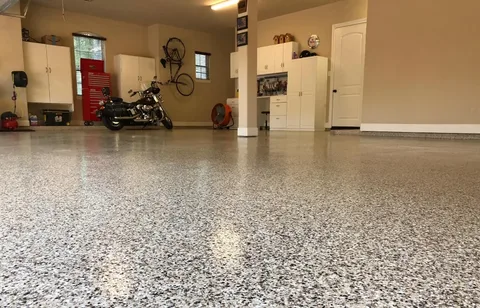
Following these steps helps your garage floor coating stay glossy and strong for many years.
Frequently Asked Questions
How long does garage floor coating last?
A properly installed garage floor coating with a polyurethane top coat can last ten to twenty years with normal care.
Can I coat my garage floor myself?
Yes, but DIY kits often fail faster than professional systems because they lack proper grinding and industrial-grade materials.
Is epoxy or polyurea better?
Epoxy is budget-friendly and strong. Polyurea cures faster and resists UV rays better. The right choice depends on your budget and timeline.
Do I need a polyurethane top coat?
Yes. A polyurethane top coat for garage floor systems protects the epoxy layer below from UV damage, scratches, and yellowing.
How much does garage floor coating cost?
Cost varies by size, condition, and coating type, but most homeowners see strong long-term value from a professional installation.
How soon can I park my car after coating?
Most systems need three to seven days to fully cure before heavy vehicle traffic, though light foot traffic is often fine after 24 hours.
A well-planned garage floor coating turns a dusty, cracked slab into a durable, good-looking surface that lasts for years. Whether you are exploring how to coat garage floor epoxy on your own or hiring a trusted local crew, understanding the process helps you make a smart, lasting choice for your home in 2026.