By the NFL Concrete Flooring team, Jacksonville concrete flooring and staining specialists since 2006
Concrete looks tough, and it is. But bare concrete is also porous, and in Northeast Florida that matters. Rain, humidity, oil, tire marks, and pool chemicals soak in, and over time they show up as stains, dusting, mildew, and surface wear.
Concrete sealing is the simple step that stops most of that damage before it starts. This guide explains what concrete sealing is, why it matters for long-term floor protection, what it costs, how to prep a slab (including how to remove paint from concrete), and how often to reseal.

Concrete Sealing at a Glance
| Question | Quick Answer |
| What does it do? | Blocks water, stains, salts, and surface wear |
| Typical professional cost | About $0.90 to $1.80 per sq ft before markup, by sealer type |
| How often to reseal | Every 1 to 5 years, by sealer and traffic |
| Best surfaces to seal | Garages, driveways, patios, pool decks, stained and decorative floors |
| Most important step | Surface prep: clean, strip old coatings, dry |
| DIY or pro? | DIY suits small clean slabs; pros handle prep, moisture, and finish |
What Is Concrete Sealing?
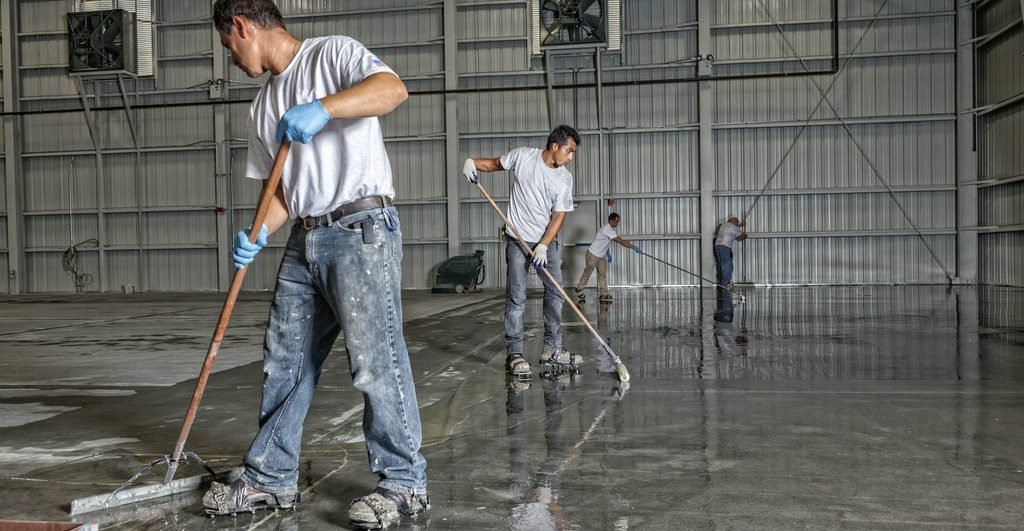
What is concrete sealing, exactly? It is the process of cleaning and preparing a concrete surface, then applying a liquid sealer that either soaks into the slab or forms a thin protective film on top.
Concrete is full of tiny capillary pores. Those pores let water, oil, and salts travel into the slab. A sealer either fills and lines those pores or covers them, so spills and moisture stay on the surface where you can clean them up.
The Main Types of Concrete Sealers
- Penetrating sealers (silane, siloxane, silicate). These soak in and react inside the pores. They leave little or no visible film, keep the surface breathable, and hold up well outdoors. They are a strong fit for driveways, pool decks, and walkways.
- Acrylic sealers. These form a thin film that adds color depth and a satin or wet look. They are common on stained and decorative concrete, but they wear faster and need resealing more often.
- Epoxy and polyurethane coatings. These are thicker, high-build systems for garages, shops, and interior floors that take heavy wear. They need careful prep and a moisture check first.
Choosing between them depends on where the concrete is, how it is used, and the look you want. That is where most of the real decisions in concrete sealing happen.
7 Reasons Concrete Sealing Matters for Long-Term Floor Protection
1. It Keeps Moisture Out of the Slab
Jacksonville averages 53.4 inches of rain per year, according to NOAA climate normals reported by News4JAX. Add year-round humidity, and unsealed concrete spends a lot of time damp.
Moisture moving through a slab carries salts to the surface, which shows up as white efflorescence. It also feeds mildew and can loosen coatings and adhesives. Concrete sealing slows that water movement down.
2. It Stops Stains Before They Set
Unsealed concrete can absorb motor oil, transmission fluid, rust, leaf tannins, wine, and grease within minutes. A sealed surface buys you time to wipe or rinse a spill before it leaves a permanent shadow.
3. It Reduces Dusting and Surface Wear
Bare concrete slowly sheds fine dust as foot traffic, tires, and furniture grind the top layer. Sealing hardens and binds that surface, so floors stay smoother and cleaner, and the slab wears more slowly.
4. It Protects Color on Stained and Decorative Concrete
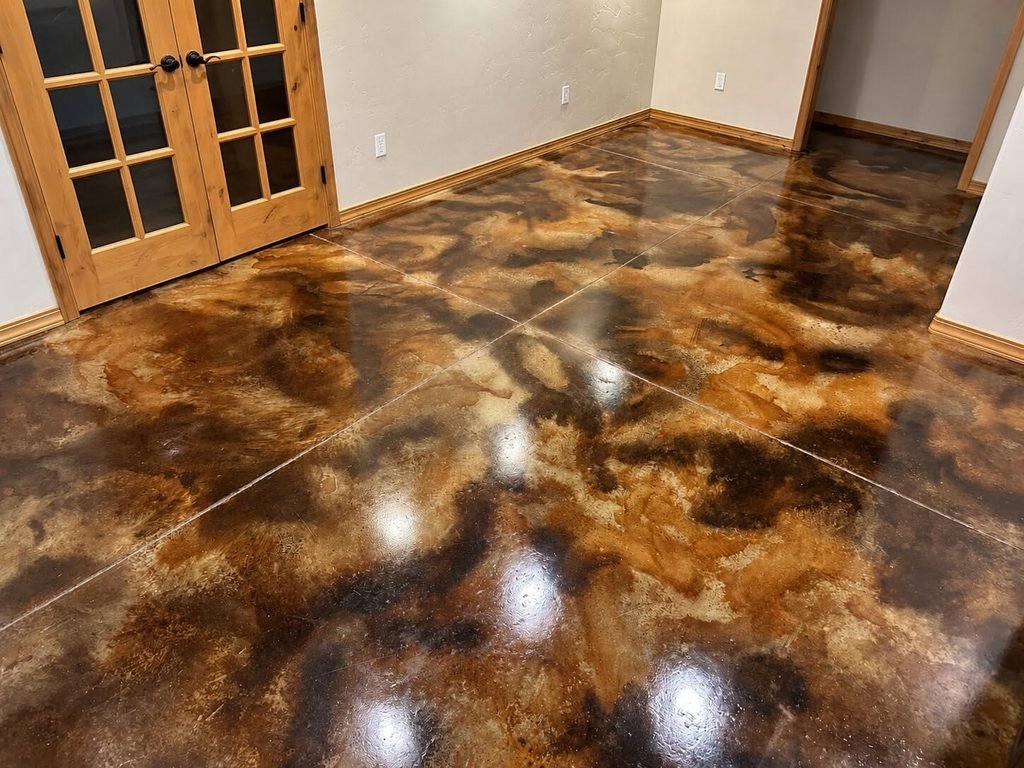
Acid stains, dyes, and stamped finishes look best when they are sealed. The sealer protects the color from foot traffic and UV light, and it brings out depth and contrast. Without it, decorative concrete can look chalky and faded within a few seasons.
5. It Fights Mold, Mildew, and Algae
Shaded patios, pool decks, and north-facing walkways in Northeast Florida turn green or black fast. A sealed surface holds less water, which makes it harder for mildew and algae to take hold and keeps walking surfaces safer.
6. It Makes Cleaning Faster and Gentler
On sealed concrete, most dirt releases with a hose, a mop, or a soft brush. That means less high-pressure washing, which itself can etch and roughen an unsealed slab over time.
7. It Protects Your Investment
Replacing or resurfacing concrete costs far more per square foot than sealing it. Regular concrete sealing is low-cost maintenance that keeps floors, driveways, and patios looking newer for longer. Learn more about our Protective Concrete Sealing Solutions for homes and businesses.
What Happens If You Don’t Seal Concrete?

Concrete will not fall apart overnight without a sealer. But in a hot, wet climate, unsealed concrete tends to show these problems sooner:
- Oil and rust stains that will not come out
- White, powdery efflorescence on the surface
- Mildew and algae on shaded or wet areas
- Dusting and a rough, worn surface in high-traffic zones
- Faded color on stained or stamped concrete
- Surface scaling and pitting from repeated wet-dry cycles
Each of these is cheaper to prevent than to fix.
Concrete Sealing Cost: What to Expect
Concrete sealing cost depends mostly on the sealer type, the size of the area, and how much prep the surface needs. According to Homewyse’s May 2026 national estimates, professional application runs about:
| Sealer Type | Typical Pro Cost (per sq ft) | Lifespan | Best For |
| Penetrating (silane/siloxane) | About $0.89 to $1.04 | Up to 5+ years | Driveways, pool decks, walkways |
| Acrylic | About $1.52 to $1.79 | About 1 to 3 years | Stained and decorative concrete |
| Epoxy or polyurethane | Quoted per project (higher) | Many years with care | Garages, shops, interiors |
Homewyse notes those figures exclude general contractor markup (13% to 22%) and sales tax. Lifespans are typical ranges and vary with traffic, sun, and product.
What Moves the Price Up or Down
- Surface prep. Removing paint, old sealer, oil, or efflorescence adds labor.
- Repairs. Cracks and spalls should be patched before sealing.
- Size and access. Larger open areas cost less per square foot than small or tight spaces.
- Finish. Wet-look, colored, or anti-slip finishes cost more than a clear penetrating seal.
- Moisture testing. Interior slabs headed for a coating may need testing first.
For a typical two-car driveway or garage, concrete sealing is one of the lowest-cost ways to protect a surface that is expensive to replace.
How Do You Remove Paint from Concrete Before Sealing?
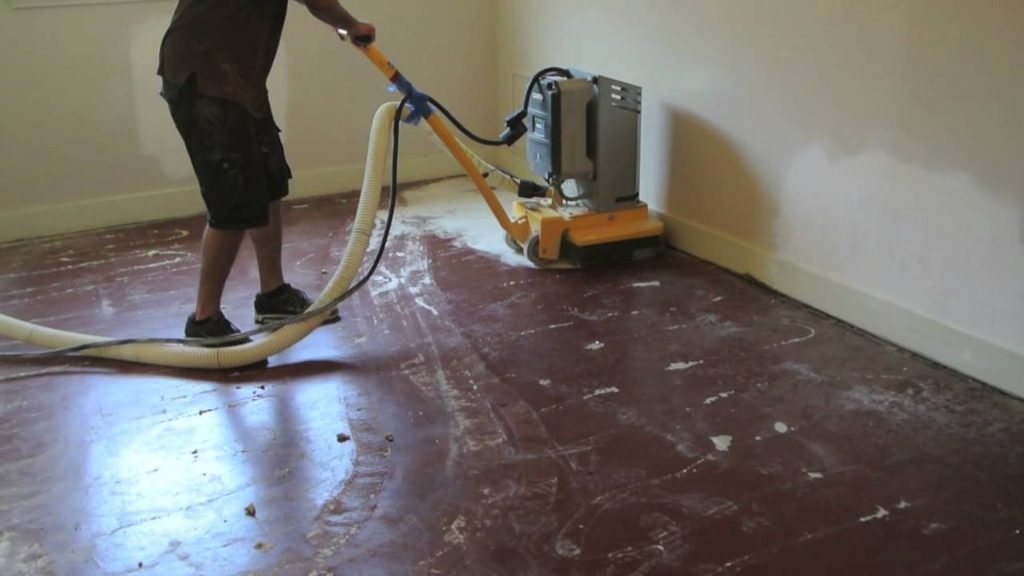
Sealer only bonds to clean, bare concrete. If there is paint, old coating, or overspray on the slab, it has to come off first, or the new sealer will peel along with it. So how do you remove paint from concrete? It depends on the paint and how long it has been there.
Fresh Paint Spills
Scrape up wet paint, blot the area, then scrub with a stiff brush and the right cleaner. Use warm soapy water for latex, soapy water and then acetone for acrylic, and the thinner the label recommends for oil-based paint.
Dried or Old Paint
- Chemical stripper. Best for thick, old, or large painted areas. Apply in small sections, let it dwell, scrape, then rinse or neutralize as the label directs.
- Pressure washing. Works on thin, loose, or peeling paint outdoors. Lowe’s recommends a 3,000 PSI or higher machine with a 25-degree tip held 12 to 18 inches from the surface.
- Mechanical grinding. Diamond grinding removes stubborn paint and coatings and opens the surface so the new sealer can bond. This is the professional standard for garages and interior floors.
Safety First
Wear eye protection, chemical-resistant gloves, and a respirator when the product calls for one, and keep the area ventilated. If the paint was applied before 1978, it may contain lead. The EPA advises testing it and using lead-safe practices before you scrape, grind, or blast.
How Concrete Sealing Is Done Step by Step
- Inspect the slab. Check for cracks, spalling, stains, old coatings, and signs of moisture.
- Do the water test. Sprinkle water on the surface. If it darkens and soaks in quickly, the concrete needs sealing. If it beads, the existing seal is still working.
- Clean and strip. Remove dirt, oil, mildew, paint, and old sealer.
- Repair. Fill cracks and patch damaged spots.
- Let it dry. Allow at least 24 hours of dry weather, longer after heavy rain. Trapped moisture is the top cause of cloudy or peeling sealer.
- Apply thin, even coats. Use a low-pressure sprayer or roller. Thin coats cure clear; heavy coats puddle and haze.
- Let it cure. Keep foot traffic off for several hours and vehicles off for 24 to 48 hours, or as the label directs.
In Jacksonville summers, an early-morning start helps beat afternoon storms. For more on how prep and timing affect the finish, see our Expert Concrete Sealing Techniques guide.
How Often Should You Reseal Concrete?
Most residential concrete needs resealing every 1 to 5 years. Film-forming acrylics on sunny, busy surfaces sit at the short end. Penetrating sealers on driveways and walkways last longer.
Watch for these signs that it is time:
- Water soaks in instead of beading
- Color looks dull, patchy, or faded
- Stains set in faster than they used to
- The finish is peeling, flaking, or worn through in traffic lanes
DIY vs. Professional Concrete Sealing
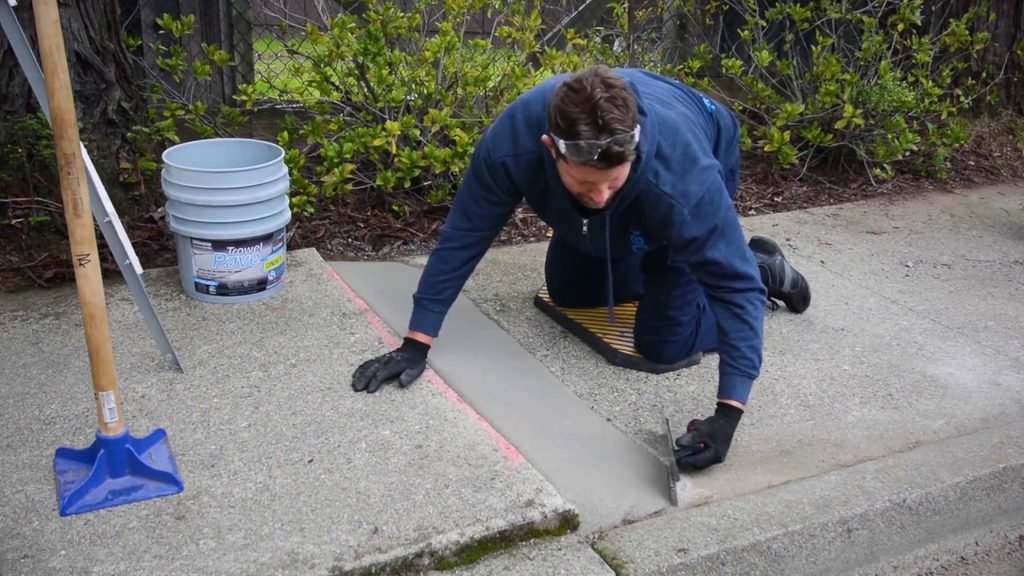
DIY concrete sealing can work on a small, clean patio or walkway. Most of the problems we fix come from DIY jobs: hazy or white finishes, peeling sealer, slippery surfaces, and stains sealed in for good.
| Factor | DIY | Professional |
| Upfront cost | Lower | Higher |
| Prep tools | Brush, store cleaners | Grinders, degreasers, commercial washers |
| Paint and coating removal | Slow, hit or miss | Fast, full removal |
| Sealer choice | Retail products | Matched to slab, climate, and use |
| Risk of haze, peeling, or slick finish | Higher | Low |
If the surface has paint, old sealer, stains, or moisture issues, or if it is a stained or decorative floor, a professional crew is usually the safer choice.
Frequently Asked Questions
What is concrete sealing and is it really necessary?
Concrete sealing is applying a protective liquid that blocks water, stains, and wear. It is not required for concrete to stand, but in a humid, rainy climate like Jacksonville’s it greatly reduces staining, mildew, and surface damage.
How much does concrete sealing cost?
National estimates from Homewyse put professional concrete sealing at about $0.89 to $1.04 per square foot for penetrating sealers and $1.52 to $1.79 for acrylics, before markup. Prep work and repairs add to the price.
How do you remove paint from concrete without damaging it?
Start with the gentlest method that works: soapy water or the right solvent for fresh paint, then a chemical stripper or a moderate pressure wash for dried paint. Diamond grinding is the most reliable option for full removal before sealing.
How soon can you seal new concrete?
Most sealers need new concrete to cure first, often around 28 days. Some products are made for fresh concrete, so always follow the sealer label.
Does sealing make concrete slippery?
Glossy film-forming sealers can be slick when wet. On pool decks, ramps, and driveways, choose a penetrating sealer or add an anti-slip grit to the topcoat.
Protect Your Concrete with NFL Concrete Flooring
Concrete sealing is a small investment that protects a large one. The right sealer, applied to a properly prepared slab, keeps floors, driveways, and patios cleaner, stronger, and better looking for years.
NFL Concrete Flooring will inspect your concrete, recommend the right sealer for your surface and Florida’s climate, and give you clear, upfront pricing. Explore our full range of Concrete Flooring Services in Jacksonville FL.