By the NFL Concrete Flooring team, Jacksonville concrete flooring specialists since 2006
Polished concrete and concrete grind and seal can look almost the same on the day the crew packs up. Both start with a diamond grinder. Both can show off the sand and stone inside your slab. Both leave a clean, modern floor that is far tougher than carpet or tile.
The difference shows up five, ten, and twenty years later. One floor gets better with age. The other needs a fresh coat on a regular schedule to stay protected. This guide breaks down how each finish works, what each costs up front and over time, and which one makes the most sense for your home or business.
Polished Concrete vs. Grind and Seal at a Glance
Here is the short version before we dig in.
| Factor | Grind and Seal | Polished Concrete |
| How it protects the floor | A sealer sits on or in the top of the slab | The slab itself is densified and polished |
| Typical installed cost | About $2 to $6 per sq ft | About $3 to $12 per sq ft |
| Recoat or reseal | Every 2 to 5 years, based on traffic | No topical recoat required |
| Expected lifespan | As long as the sealer is maintained | 20+ years, often far longer |
| Shine | Comes from the sealer | Comes from the concrete |
| Best fit | Basements, low-traffic rooms, tight budgets | Busy homes, retail, offices, warehouses |
What Is Concrete Grind and Seal?

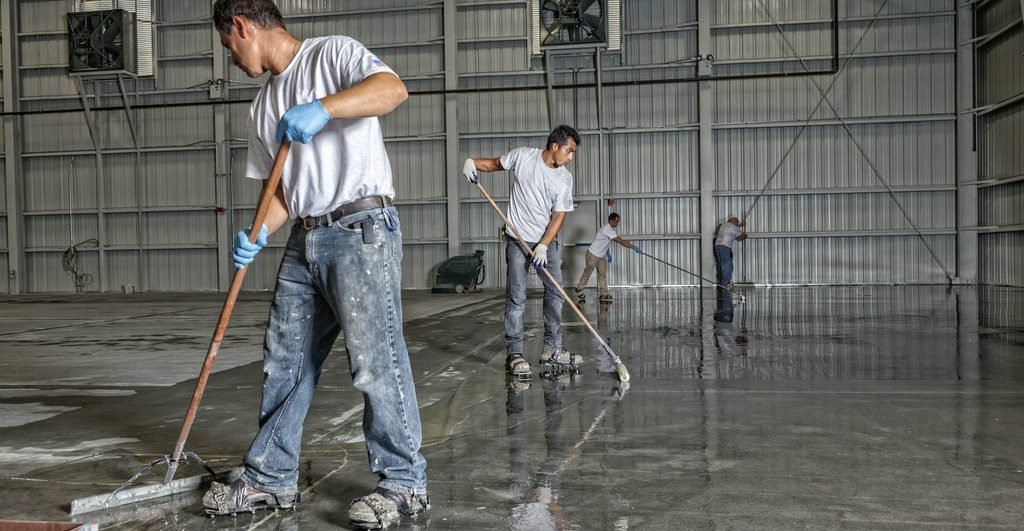
Concrete grind and seal is a two-part finish. First, the crew grinds the slab with diamond tooling to remove the top layer, open the surface, and reveal the look you want. That can be a light “cream” finish, a “salt and pepper” look with fine sand showing, or an exposed-aggregate look with larger stones visible.
Then the floor is sealed. The sealer can be a penetrating product that soaks in, or a topical coating such as acrylic, urethane, or polyaspartic that forms a film on top. The sealer creates the sheen and provides most of the stain protection.
Think of it as a protective jacket over the concrete. It works well, but jackets wear out. Foot traffic, rolling carts, pet nails, and furniture slowly scratch and dull the film. When the sealer wears through in high-traffic paths, you need to clean, prep, and reseal.
Where Grind and Seal Shines
- Lower upfront cost and a faster install
- A wide choice of sheen levels, from matte to high gloss
- Good stain resistance while the sealer is intact
- A smart choice for basements, bonus rooms, and areas with lighter use
What Is Polished Concrete?
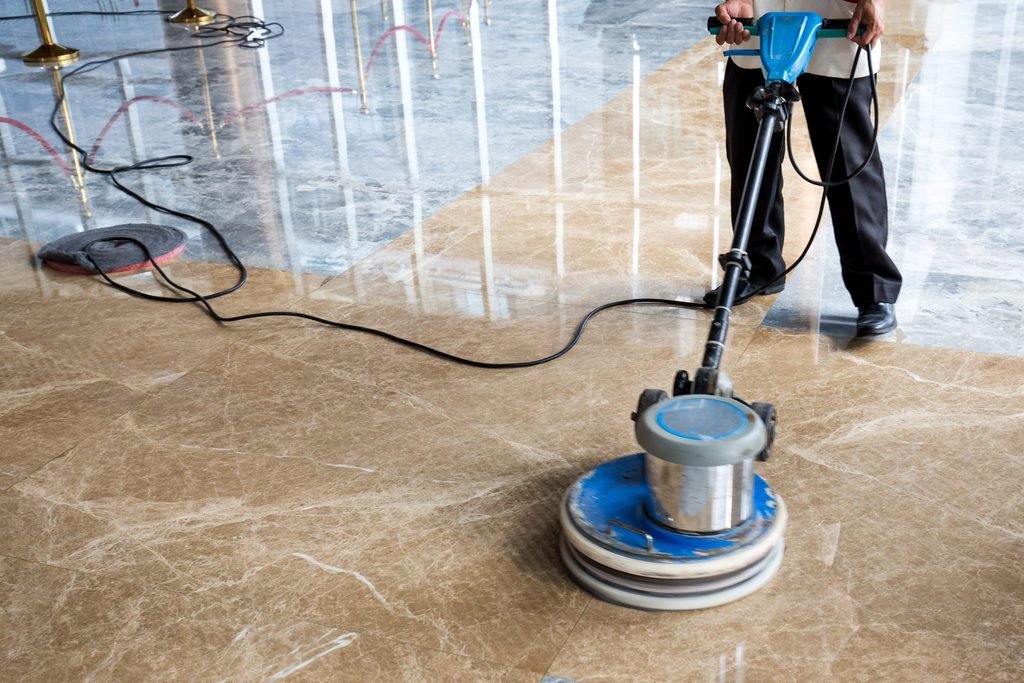
Polished concrete is not a coating. It is the concrete slab itself, mechanically refined until it shines. There is no film on top to scratch, peel, or flake off.
That is the core reason polished concrete holds its value. The wear surface is the slab, and the slab is built to last as long as the building. With proper installation and care, polished concrete floors can last 50 years or longer, according to Angi.
The Concrete Polishing Process, Step by Step
The concrete polishing process takes more passes and more time than grind and seal. Here is how a typical job works.
- Inspect and repair. We check the slab for cracks, old adhesive, paint, coatings, and moisture issues. Cracks and joints are filled before grinding.
- Grind. Coarse metal-bond diamonds flatten the surface and expose the level of aggregate you chose.
- Densify. A chemical densifier, usually lithium or sodium silicate, soaks into the slab and reacts with the concrete to harden the surface and reduce dusting.
- Hone and polish. Resin-bond diamonds move from coarse to fine grits, often up to 800, 1500, or 3000 grit. Each pass tightens the surface and raises the shine.
- Guard (optional). A thin stain guard can be added to boost resistance to oil, wine, and acidic spills, especially in kitchens and restaurants.
- Burnish. A final high-speed burnish brings out the clarity and gloss.
The more passes you add, the higher the sheen and the price. A satin finish takes fewer steps than a mirror-like gloss.
Want to see what this looks like on a real project? Our Polished Concrete Service page walks through finish options, sheen levels, and where we install them.
Upfront Cost: Polished Concrete vs. Grind and Seal
Grind and seal usually wins on day-one price. Contractor pricing for concrete grind and seal commonly falls around $2 to $6 per square foot, depending on grind depth, sealer type, and slab condition.
Polished concrete costs more because it takes more diamond passes, a densifier, and more labor hours. HomeGuide puts most polished concrete projects at about $3 to $12 per square foot, with decorative options climbing past $15. Here is how its 2026 pricing breaks down by look:
| Polished Finish | Typical Cost per Sq Ft |
| Cream (light grind) | $3 to $8 |
| Salt and pepper (fine aggregate) | $4 to $10 |
| Exposed aggregate (deeper grind) | $6 to $12 |
What Moves the Price for Either Finish
- Slab condition. Cracks, spalls, and low spots add repair time.
- Old coatings. Paint, glue, tile adhesive, or epoxy must be ground off first.
- Grind depth. Exposing large aggregate takes more passes.
- Sheen level. Higher gloss means more polishing steps.
- Square footage. Larger open areas usually cost less per foot.
- Access. Stairs, tight rooms, and steps take more hand work. If your project includes stairs, see our Polished Concrete Steps guide for what to expect.
Long-Term Cost: Where the Real Value Shows Up
Upfront price is only part of the story. The real question is what each floor costs you over the next 15 to 20 years.
With grind and seal, the sealer is a wear layer. In a busy home or commercial space, it often needs a deep clean and fresh coat every 2 to 5 years. Each reseal brings labor, materials, downtime, and moving furniture or closing the space.
Polished concrete does not need a topical recoat. Routine care is dust mopping and damp mopping with a pH-neutral cleaner. Over time, you may want a periodic burnish or a fresh stain guard to restore shine in heavy paths. That service costs much less than a full reseal and usually involves far less downtime.
A 20-Year Example for a 1,000-Square-Foot Floor
The numbers below are illustrative estimates for a moderate-traffic space, not a quote. Your actual costs depend on your slab, your traffic, and the products used.
| Cost Item | Grind and Seal | Polished Concrete |
| Initial install | About 4,000(4 per sq ft) | About 7,000(7 per sq ft) |
| Ongoing upkeep | 4 reseals at about $1.50 per sq ft, or $6,000 | 3 burnish and guard refreshes at about $0.75 per sq ft, or $2,250 |
| Downtime | 4 rounds of closing the space for prep and cure | 3 short service visits |
| Estimated 20-year total | About $10,000 | About $9,250 |
In this example, polished concrete costs more on day one and less over time. In very busy spaces, where sealers wear out faster, the gap usually grows. In a quiet guest room, grind and seal can stay the lower-cost choice for many years.
Durability, Maintenance, and Daily Life
Scratches and Wear
Grind and seal floors show wear in the sealer first. Walk paths turn dull and hazy, and scratches can catch dirt. Polished concrete floors are densified and harder at the surface. They can still be scratched by grit or dragged equipment, but they do not peel or flake, and worn spots can usually be honed and re-polished.
Stains and Spills
A fresh topical sealer resists stains very well. As it wears, protection drops. Polished concrete is dense but still slightly porous, so wipe up oil, wine, citrus, and vinegar quickly. A stain guard helps in kitchens and food-service areas.
Moisture and Florida Humidity
Moisture is a big deal in Northeast Florida. Water vapor can move up through a slab on grade. Under a topical sealer, that vapor can cause cloudiness, white blushing, or peeling. Polished concrete has no film to trap moisture, so the slab can breathe.
If you have been reading guides written for polished concrete Atlanta projects, keep in mind that Jacksonville slabs deal with a high water table, sandy soils, and long humid summers. That is why we test moisture before recommending any finish.
Slip Resistance
Polished concrete is not as slick as it looks when it is clean and dry. A lower sheen, such as a satin or 400-grit finish, gives more traction. Glossy topical sealers can feel slippery when wet unless an anti-slip additive is used. Either way, keep spills cleaned up and use mats at entry doors.
Maintenance Checklist
- Dust mop daily or several times a week in busy spaces
- Damp mop with a pH-neutral cleaner, never bleach, vinegar, or ammonia
- Use walk-off mats at entries to catch sand and grit
- Add felt pads under furniture legs
- Schedule a burnish (polished) or reseal (grind and seal) when shine fades
Which Finish Fits Your Space?
Choose Grind and Seal If
- You want the lowest upfront cost
- The space sees light traffic, such as a basement or bonus room
- You want a specific high-gloss or colored sealer look
- You are fine with resealing every few years
Choose Polished Concrete If
- You plan to stay in the home or building for many years
- The floor sees heavy traffic from kids, pets, customers, or carts
- You want the lowest long-term maintenance
- Your slab has moisture concerns that could lift a topical sealer
- You run a retail store, office, showroom, restaurant, or warehouse
When Neither Is the Best Choice
Garages that see hot tires, oil, and chemicals are often better served by an epoxy or polyaspartic coating. Slabs with major damage may need resurfacing first. A good contractor will tell you when another finish makes more sense.
Searching for Concrete Polishing Near Me? What to Look For
If you are searching for concrete polishing near me, ask each contractor a few direct questions before you sign:
- Do you test the slab for moisture before choosing a finish?
- What grit sequence and sheen level are included in the price?
- Is a densifier included? Is a stain guard included?
- How will you handle dust? Do you use dust extraction?
- What maintenance do you recommend, and how often?
- Can I see photos of finished floors similar to mine?
Clear answers show a crew that does the concrete polishing process the right way, not just a quick grind and a shiny coat.
Frequently Asked Questions
Is polished concrete more expensive than grind and seal?
Yes, at the start. Polished concrete usually costs more per square foot because it takes more passes and a densifier. Over 15 to 20 years, it often costs less because there is no regular reseal cycle.
How long does concrete grind and seal last?
The ground surface lasts as long as the slab, but the sealer is the wear layer. Most sealers need a fresh coat every 2 to 5 years, depending on traffic and product type.
Can a grind and seal floor be converted to polished concrete later?
Usually, yes. The existing sealer must be ground off first, then the floor goes through the full concrete polishing process. Removing the sealer adds time and cost.
Is polished concrete good for homes in Florida?
Yes. It stays cool underfoot, handles sand and humidity well, and has no coating for moisture to lift. Many Jacksonville homeowners choose it for living areas, kitchens, and lanais under roof.
How long does the concrete polishing process take?
Most residential floors take two to four days, depending on size, repairs, and sheen level. Commercial projects vary with square footage and scheduling.
The Verdict: Polished Concrete Wins on Long-Term Value
For most busy homes and commercial spaces, polished concrete offers better long-term value. It costs more up front, but it lasts for decades, skips the reseal cycle, and handles Florida moisture better. Concrete grind and seal is still a smart, budget-friendly option for low-traffic rooms and owners who do not mind resealing.
The right choice depends on your slab, your traffic, and how long you plan to stay. NFL Concrete Flooring will inspect your floor, test for moisture, and give you an honest recommendation with clear pricing. Learn more about our full range of Concrete Flooring in Jacksonville FL services.